
When it comes to user-generated content (UGC), it's fascinating how 86% of consumers emphasize the importance of authenticity when deciding to back a brand. Understanding the ins and outs of ethical UGC management is crucial in today's digital world. By finding the right balance between driving engagement and maintaining ethical standards, you can effectively build trust with your audience. In a digital era where credibility is key, the strategies and hurdles related to UGC management carry significant weight for both businesses and consumers.
It's intriguing to see how authenticity plays a pivotal role in consumer decisions regarding brand support through user-generated content (UGC). Today, navigating the ethical dimensions of UGC management is essential in the digital landscape. By striking a balance between encouraging engagement and upholding ethical standards, you can cultivate trust among your audience. In a digital age where credibility is paramount, the approaches and obstacles associated with UGC management have far-reaching implications for businesses and consumers.
Moderation plays a crucial role in building trust and credibility within online communities. By ensuring transparency in the moderation process, users feel more confident in the platform's integrity. It's essential to address any biases that may exist in moderation to uphold fairness and equality for all participants.
Having clear guidelines and standards in place is key to promoting ethical practices in content moderation. This not only helps moderators make consistent decisions but also reassures users that their interactions are governed by well-defined rules. Additionally, diversifying moderation teams with a range of viewpoints can help combat discrimination and ensure a more inclusive environment for all users.
Technology also plays a significant role in streamlining the handling of inappropriate content. By leveraging tools and algorithms, moderators can efficiently identify and address violations, maintaining a safe and respectful online space for everyone involved.
Have you noticed how everyone seems to be sharing their experiences online these days? It's like a content creation frenzy out there! Brands are catching on to the trend, realizing that user-generated content (UGC) is the real deal when it comes to engaging customers and driving sales. In fact, UGC has boosted customer engagement by a whopping 90%, leaving traditional marketing strategies in the dust.
Online reviews, a popular form of UGC, now hold significant sway over what we buy, with a staggering 84% of us trusting them as much as personal recommendations. This shift highlights the importance of UGC in building brand credibility and trust. As we interact with authentic user-generated content, brand trust has shot up by 37%, showing just how powerful this approach can be.
Social media platforms have become buzzing hubs of user interaction, especially when brands embrace UGC in their marketing efforts. This surge in UGC participation signals a new era where consumers have a major say in shaping brand perceptions and driving marketing success. It's all about real experiences shared by real people, making a genuine impact in the digital world.
When we think about ethical content moderation, it's crucial to address any biases that may come into play during the moderation process and strive for transparency in making decisions.
By recognizing these biases and actively working to counteract them, we can ensure that all users are treated fairly and represented accurately.
Being transparent about our moderation decisions helps build trust and credibility, creating a safer and more inclusive online community for everyone involved.
Content moderation biases can really get in the way of creating a fair and inclusive online space. The tools and algorithms used for moderation can end up carrying the biases of their creators, affecting what content gets filtered.
To make matters worse, when moderation teams lack diversity, they might miss important cultural nuances, leading to even more discrimination. It's crucial to be transparent about how content is moderated to tackle bias effectively.
Dealing with bias in moderation is key to building a just and welcoming online community where everyone feels respected. Recognizing and addressing bias in content moderation is essential to upholding fairness and embracing diversity in the digital world.
In the realm of ethical content moderation, transparency stands as a cornerstone for building trust and accountability with users. Being transparent in decision-making is key to upholding ethical standards and fostering confidence within the online community.
When platforms offer clear guidelines and explanations for their content moderation actions, they showcase their commitment to accountability and ethical management of user-generated content. Openly communicating about moderation processes is vital for users to grasp the reasoning behind these actions.
Such transparency not only enriches the online community experience but also cultivates a positive environment. Ethical content moderation involves transparently sharing policies, procedures, and the rationale behind moderation decisions, all of which contribute to establishing a reliable and responsible platform.

Finding the right balance between engaging with users and being responsible for the content they create is crucial for building trust and credibility online. It's all about creating a safe space where everyone feels respected and valued while upholding ethical standards.
To achieve this harmony, it's important to have clear guidelines and strong moderation systems in place. By setting expectations for behavior and content quality upfront, we can foster a community where genuine contributions thrive. Embracing different perspectives not only enriches our online environment but also boosts engagement by making everyone feel included and heard.
Technology also plays a key role in keeping things in check. Using tools like AI can help identify and handle inappropriate content efficiently, without stifling users' freedom of expression. It's essential to use these advancements wisely to protect our online community and promote responsible content creation.
When it comes to managing user-generated content, maintaining trust from the public is key. Transparency and accountability are vital in this field. Setting clear guidelines and standards for user-generated content helps ensure ethical practices and boosts credibility in content creation.
Embracing diverse viewpoints and promoting inclusivity not only builds trust and authenticity but also cultivates a welcoming community atmosphere.
In today's digital world, keeping things transparent in managing user-generated content (UGC) is crucial to maintaining trust. Having clear rules on how UGC is handled and moderated boosts credibility and trustworthiness.
It's important to be upfront about any partnerships or perks involved in creating UGC to uphold ethical standards. This openness encourages brands to be accountable in their communication and present genuine content to their audience. By shedding light on where UGC comes from, companies can establish a solid foundation of trust with users.
Here's a breakdown of key transparency elements in UGC management:
Maintaining trust in how user-generated content is handled is key. Following clear content guidelines is crucial to ensure accountability.
Regularly checking and auditing user-generated content upholds ethical standards and builds public trust. Openly discussing content expectations with users fosters a sense of responsibility.
Offering easy ways for users to give feedback or report inappropriate content shows a dedication to managing content well. Working together with users to create content policies strengthens community trust in user-generated content practices.

Dealing with the challenges posed by user-generated content (UGC) demands a proactive approach to tackle issues like fake news, offensive language, and privacy breaches in online spaces. The sheer volume of content being generated daily has made it harder to keep up. False information, hate speech, and spam tend to spread like wildfire in unregulated UGC platforms, emphasizing the need for strict moderation. Privacy and legal concerns are also significant, with copyright problems, ownership disputes, and identity theft risks being common in the UGC realm. It's crucial to have crisis management plans in place to effectively handle these issues.
Human oversight is vital for responsible UGC management, ensuring content aligns with ethical standards and doesn't violate others' rights. Striking a balance between free speech and social responsibility is essential for creating a safe and positive online community for all users. Search engines and UGC sites must prioritize active moderation to combat hate speech and safeguard user privacy. By enforcing stringent measures against hate speech, ensuring legal compliance, and protecting user data, platforms can fulfill their social obligations and gain public trust.
In today's world of user-generated content (UGC) platforms, being open and honest is crucial for building trust and accountability with users and stakeholders. Transparency on UGC platforms involves a few key things:
It's all about being open, honest, and upfront with our community to build trust and keep everyone on the same page.
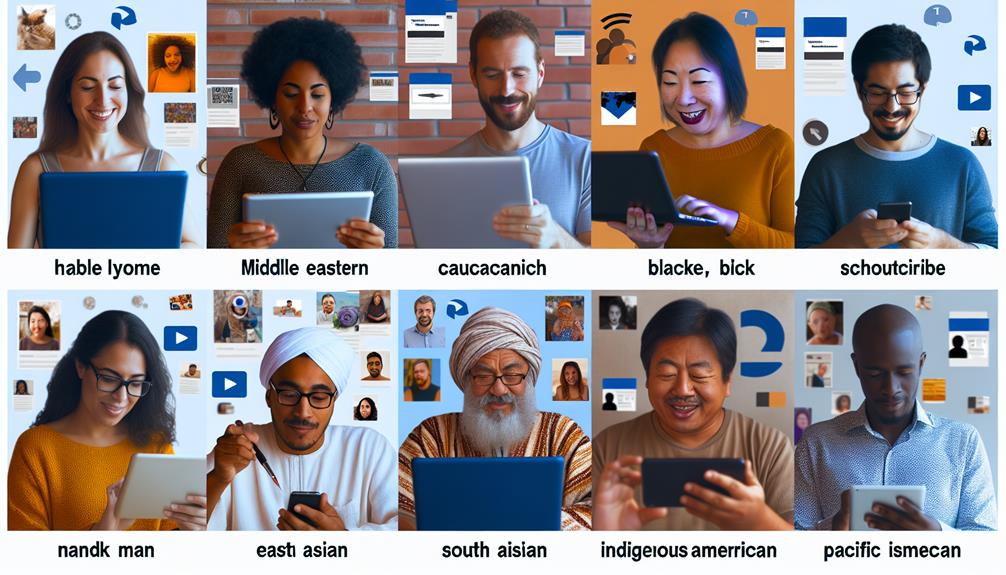
Managing user-generated content (UGC) ethically is crucial for establishing trust and credibility in today's digital world. When brands are transparent and honest in their communications, they can significantly boost their reputation and customer loyalty. Studies have found that 97% of consumers highly value honesty and transparency, highlighting the importance of ethical UGC practices. By being trustworthy in their UGC management, brands can increase the likelihood of 70% of consumers recommending them to others, showing a direct impact on their reputation.
Ensuring compliance with regulations is key to ethical UGC management. Failing to follow guidelines can result in legal issues and harm to a brand's reputation, emphasizing the need for ethical content moderation practices. By upholding legal and ethical standards, companies not only reduce risks but also strengthen customer loyalty. Research indicates that 86% of consumers are willing to spend more on products from brands they trust, underscoring the financial benefits of ethical UGC management.
Furthermore, demonstrating social responsibility through ethical practices resonates positively with consumers. Around 66% of consumers prefer supporting companies that prioritize ethical standards, indicating that ethical UGC management is more than just following rules—it signifies a commitment to transparency, honesty, and trust, ultimately shaping meaningful brand-consumer relationships.
User-generated content (UGC) plays a crucial role in establishing trust with consumers, as it provides authentic insights that resonate with 92% of shoppers. By tapping into UGC effectively, businesses can engage customers in a cost-efficient manner, improve their SEO rankings, and influence the purchasing decisions of 90% of consumers. Elevate your brand's visibility and credibility by incorporating user-generated content into your marketing strategy.
When we talk about UGC on social media, we're referring to User-Generated Content. This includes posts, photos, reviews, and comments made by regular folks like you and me. UGC plays a crucial role in maintaining a brand's authenticity and connecting with audiences on a deeper level. It influences consumer decisions and helps brands engage with their followers in a more genuine way. So, next time you see a post from a brand using UGC, know that it's all about building real connections with real people like yourself.
In the fast-paced world of media, journalists face a myriad of ethical dilemmas that test their integrity. Issues like accuracy, bias, invasion of privacy, sensationalism, and conflicts of interest constantly challenge the credibility of news sources. When images are manipulated or there's a lack of transparency, it undermines the trust of the public in the media. To rebuild this trust, it's crucial to prioritize honesty, accountability, and maintaining credibility in all aspects of reporting.
When it comes to UGC strategy, it's all about getting people to share their real experiences with a brand. This helps to build trust, show authenticity, and establish credibility. Brands keep an eye on the content, lay down some ground rules, and give incentives for contributions. This approach not only boosts loyalty and drives sales but also amps up a brand's online presence. It's like letting customers be the voice of your brand, speaking from their own encounters and making a real connection.
